
Computer Vision & Machine Learning
Use AI to automate image recognition, analyze data, and streamline processes across your business.





What are Computer Vision and Machine Learning?
Computer Vision enables image and video analysis in ways that previously required human attention. It can recognize objects, detect irregularities, and support processes based on visual observation.
Machine Learning makes it possible to identify patterns in data, predict events, and automate selected decisions. It is a tool that helps organizations make better use of the information they already have.
Well-implemented AI solutions are not just an add-on to the business. They become part of the process itself – increasing predictability, reducing manual effort, and making operations easier to scale.
In practice, this means:
- fewer manual operations,
- faster detection of errors and deviations,
- greater control over the process,
- better use of data in day-to-day work.

Why implement Computer Vision or Machine Learning?
Greater operational efficiency
Automating selected tasks helps reduce the workload on your team and shortens the time required to complete repetitive activities.
Faster detection of errors and irregularities
The system can identify deviations, operational errors, or anomalies at an earlier stage – before they begin to affect quality, costs, or user experience.
Better use of data
The data you collect starts to actively support business decisions instead of remaining an underused resource.
Competitive advantage
Companies that implement valuable AI solutions faster are better positioned to develop products, optimize processes, and respond to market needs.

Where can you use it?

Analytics and decision support

Retail and e-commerce

Logistics and warehousing
mobitouch delivers on time and is proactive, creative, and critical thinking.

They are reliable, communicative, and capable of delivering functional products within agreed timelines. If your project requires a practical, no-nonsense approach and close collaboration with a technical team, mobitouch is a solid choice.

What does the implementation process look like?
Our approach to the project
We work in short, iterative cycles – each one ends with a working increment that can be tested and evaluated. This allows us to validate assumptions quickly, respond to feedback, and reduce risk throughout the process.
AI projects come with their own specific challenges – outcomes are not always deterministic, and quality depends heavily on the data. That is why our process places strong emphasis on evaluation and measurability at every stage.
We work transparently: demos every 1–2 weeks, shared backlog grooming, and open access to model quality metrics.
Check out the projects we've kicked off
Oryva
Oryva to platforma oparta na sztucznej inteligencji, która pomaga małym i średnim firmom szybko i łatwo stworzyć profesjonalną stronę internetową.
Wystarczy opisać swoją działalność, aby wygenerować stronę dopasowaną do marki, z responsywnym designem i optymalizacją SEO. To prosty sposób na zbudowanie obecności w internecie bez konieczności programowania czy posiadania specjalistycznej wiedzy technicznej.

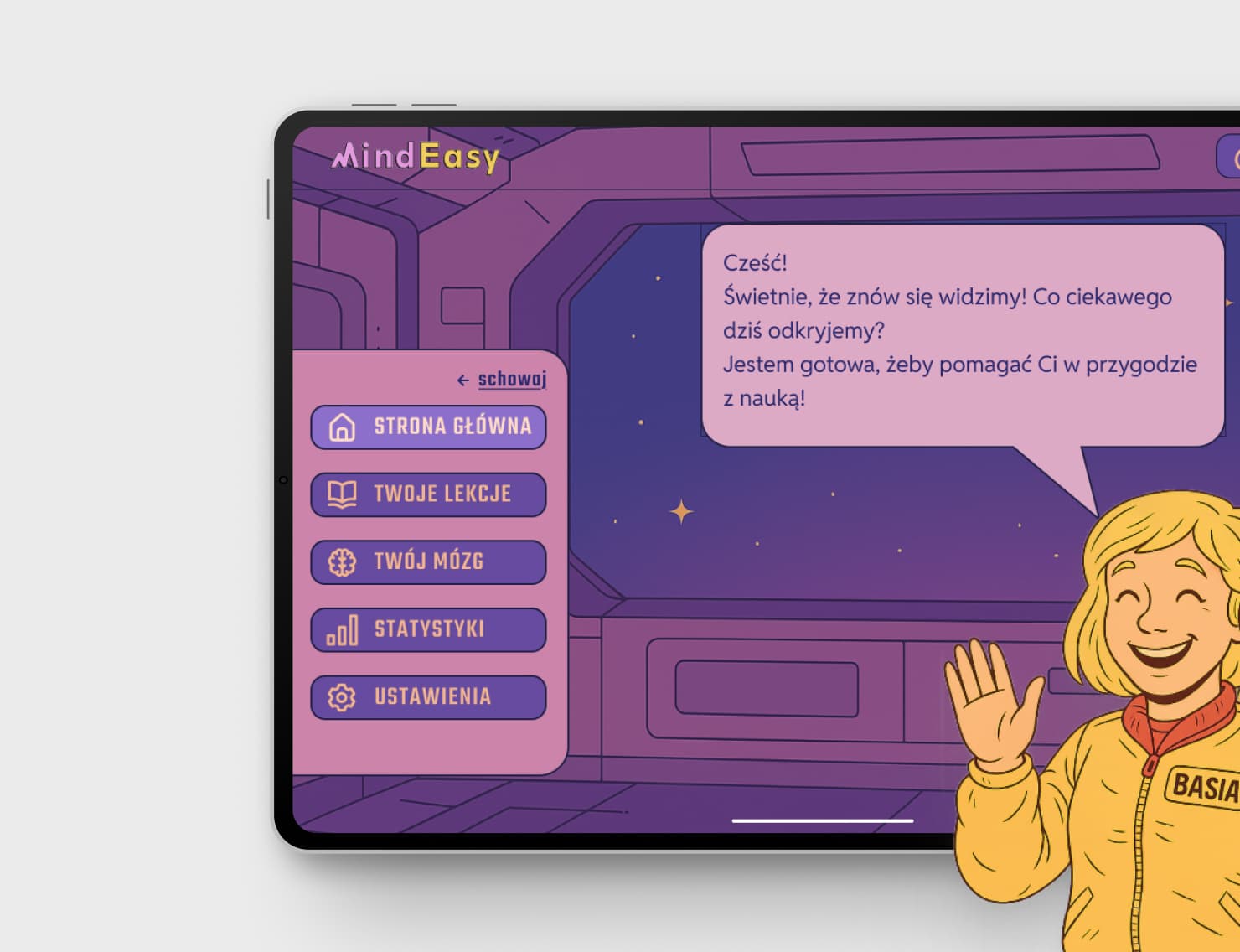
MindEasy is a neurotechnology startup developing solutions that connect brain activity with computers through brain-computer interface (BCI) technology. Its mission is to support users in both educational and therapeutic settings. The company works with universities, cultural institutions, and medical facilities to test its technologies in practical, real-world environments. MindEasy’s products can respond to what is happening in the user’s brain, using EEG signals and artificial intelligence to adapt content in real time.
We believe that good design and development are the ones that work best on all devices and every resolution.

Project Start Workshops

Digital Product Design

Mobile App Development

Web App Development

MVP Development

Find the answers
Computer vision analyzes images and video, for example to recognize objects or detect irregularities. Machine learning finds patterns in data to predict events, classify cases or support decisions. Many solutions combine both.
Typical areas are analytics and decision support, retail and e-commerce, and logistics and warehousing. Common examples include demand forecasting, anomaly detection, quality control and automatic classification.
It depends on the task. Some solutions can use ready-made models, while custom prediction models need historical data of sufficient quality. We check what data you have at the very beginning, before choosing the approach.
Yes. We build models into your existing processes and systems, for example with ML.NET for applications built on .NET, so the results appear where your team already works.
We agree on success criteria at the start, such as accuracy or the share of cases handled automatically. Then we test the model on data it has not seen before and keep tuning it after launch.